Book Lake Pleasant Watercraft for Boating Adventures
Boat Hire 101: Everything You Need to Know Before You Go
Planning a boat rental can be both exciting and challenging. You need to make the most of your time on the water, but there are key factors to think about before you set sail. From selecting the right type of boat to understanding safety guidelines, each step is essential for an enjoyable outing. Let's review what you need to know to ensure a smooth experience and avoid any complications along the way.
Selecting the Ideal Boat Rental for Your Experience
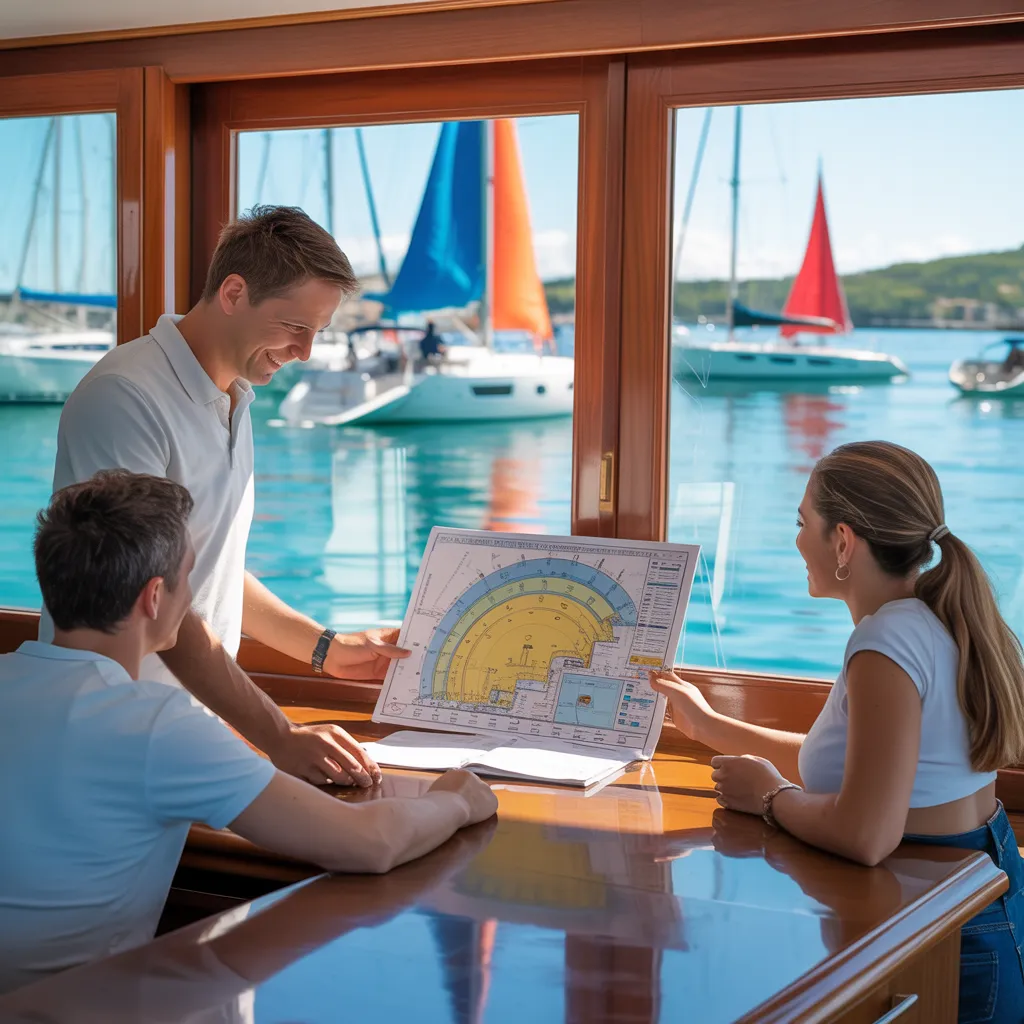
What's the best way to choose the perfect boat rental for your adventure? Begin by assessing your needs. Think about the type of water activity you want to enjoy—exploring, fishing, or simply relaxing. Next, determine the size of the boat. Will you have family, friends, or just yourself? Ensure it accommodates everyone comfortably. Don't forget to check the rental company's reputation. Search for reviews and ask around for recommendations. Think about the duration of your rental; some companies offer hourly, daily, or weekly rates. Finally, evaluate your budget. Compare costs but remember, the cheapest option isn't always the best. By following these steps, you'll achieve a memorable and enjoyable boating experience designed for your adventure.

Key Safety Regulations for Those Who Rent
Prior to heading out on the water, it's vital to comprehend the critical safety regulations that come with renting a boat. Initially, always wear a life jacket; it's your primary protection against unanticipated situations. Get to know the boat's safety equipment, including fire extinguishers and first aid kits. Know the local navigation guidelines and weather conditions to secure a safe trip. You should also notify someone about your plans and expected return time. Monitor the maximum capacity of the boat to avoid overloading. If you're not experienced, consider hiring a captain or taking a safety course. Adhering to these rules not only keeps you safe but also ensures everyone on board has an enjoyable experience on the water.
Getting the Lowdown on Rental Agreements
What should you know about rental agreements before signing the contract? Initially, examine the entire document carefully. Understand the rental term, rate, and any additional costs. Look for deposits and cancellation policies—these can vary widely. Ensure you know what's included, including fuel, equipment, and insurance.
Don't forget to check the state of the boat. Capture photos before departing from the dock to avoid disputes later.
Also, know your accountabilities pertaining to damage and liability. Most agreements hold you liable for repairs, so it's important to comprehend what that means. Lastly, verify you have a contact for urgent matters or questions while you're out on the water. Being informed means a smooth sailing experience!
Important Kit for Your Time on the Water
Prepared to maximize your time out on the water? You'll require some key equipment to ensure a safe and enjoyable experience. Make sure everyone has a correctly sized life jacket. Pack a reliable cooler with drinks and snacks to stay refreshed. Include sunscreen to guard your skin against dangerous UV rays. Bring along a first-aid kit to address any minor mishaps. Bring along a waterproof phone case or dry bag to keep your valuables safe. Lastly, bring towels and spare clothing for after your outing. With these important supplies, you're fully equipped for a fantastic day on the water!
Getting Ready for Your Boat Rental Trip
To ensure your boat rental experience goes smoothly, it's vital to plan ahead. Start by picking a rental company that suits your needs and budget. Research their watercraft, policies, and any included equipment. Next, check the weather forecast to ensure safe conditions for your outing. Pack essentials like sunscreen, water, snacks, and a first aid kit. Don't forget to bring your copyright and any required boating licenses, as some rentals may demand them. If you're inexperienced with boating, consider taking a brief course or watching instructional videos beforehand. Finally, set a timeline for your day on the water, including pickup and return times, to enhance your enjoyment. Preparation sets the stage for a amazing adventure!
Operating Your Rental Boat: Navigation Basics
Operating your rental boat commences with understanding the navigation equipment you have access to. Master basic boating maneuvers to guarantee a smooth ride. With the right knowledge, you'll feel confident steering through any waters.
Grasping Navigation Equipment
When you're relishing the freedom of a rental boat, understanding the navigation equipment on board is vital for a safe and enjoyable experience. Begin by learning about the GPS system, which allows you to monitor your location and plan your route. Make sure to check the charts, whether electronic or paper, as they provide critical information about waterways, depths, and hazards. Familiarize yourself with the compass; it's a reliable tool for orientation, especially if you lose GPS signal. Also, understand the depth sounder, which notifies you of underwater obstacles. Don't forget to observe markers and buoys, as they guide you safely through channels. Mastering this equipment will increase your assurance and enhance your boating adventure!
Essential Boating Maneuvers Described
Mastering basic boating maneuvers is essential for a seamless rental experience. Start with understanding how to steer your boat. Use the throttle to control speed; pushing it forward accelerates while bringing related article it back slows you down. Practice turning by shifting your weight and using the steering wheel—turn in the direction you want the bow to go.
During docking, move in steadily at a shallow angle, employing reverse to reduce speed as you near. Make certain to keep communication open with your crew, especially when operating in restricted spaces.
Finally, work on stopping by slowly decreasing speed and using reverse if needed. After learning these essentials, you'll be comfortable steering your rental boat and enjoying your time on the water.
Common Pitfalls to Sidestep When Renting a Boat
Before you depart, it's important to be aware of some usual blunders that can change your boat rental experience into a nightmare. One major pitfall is not reading the rental agreement completely. Always review hidden fees and rules. Another mistake is miscalculating your skill level; if you're not confident, consider choosing a simpler boat or hiring a captain. Don't forget to examine the boat before you head out; document any damages to dodge disputes later. Also, be conscious of the weather—don't disregard forecasts. Finally, don't forget to bring proper safety gear; it's often mandatory and important for your safety. By steering clear of these blunders, you'll ensure a smoother and more rewarding boating adventure.
Most Asked Questions
What Type of Boating License Do I Need to Rent a Boat?
You'll usually require a boating license or safety certification to rent a boat, depending on your state. Check local regulations to verify you've got the correct credentials before heading out on the water.
Are Pets Permitted on Rental Boats?
Yes, many rental companies allow pets on their boats, but it's essential to check their specific policies beforehand. You'll want to guarantee your furry friend is comfortable and that you follow any additional guidelines.
Can Boats Be Rented for Overnight Use?
Renting a boat for overnight use is possible, but it varies based on the rental company's policy. Be sure to check the availability, extra charges, and any special requirements they could have for overnight rentals.
What Happens if I Damage the Rental Boat?
Should you damage the rental boat, you'll likely be responsible for repair expenses. Rental agreements typically include a damage policy, so review the terms. It's advisable to report any concerns promptly to prevent additional complications.
What Are the Steps to Cancel My Boat Rental Booking?
You're generally able to cancel your boat rental reservation by contacting the rental company directly, either by telephone or online. Verify their cancellation policy for any fees or time limits that could apply.